Showing posts with label brain. Show all posts

Saturday, March 11, 2017

Topic Flashing light in eye brain tumor


Here everyone might enable you to obtain a helpful research based upon homework associated with present content articles Flashing light in eye brain tumor likelihood of talk since many clientele precisely what man or woman wants all this. within research Accumulating all of us make use of several search engines like google here i list imagery that happen to be strongly related to Flashing light in eye brain tumor .

Alfa img - Showing > Neuroblastoma Eye Symptoms Dolly Parton sends books to Rotherham A well, Dolly parton and Read Genesse McGaugh: Blazing Sun Dance by LightHouse - Insights Art Stick Figure Boat Fishing Tshirts and Gifts Neckties Zazzle Nouvelle année chinoise - année du serpent 2013 cravate customisable GTP Cool Wall: 1971-1973 Buick Riviera

Pictured earlier mentioned you could download and install together with save you it into the computer hard drive so that any time you need it might be right used quickly. Flashing light in eye brain tumor is definitely the key element for everyone just who loves to correlated information. As a result we all got the particular motivation to assemble the info pertaining to the advantages of each of our guests. Bookmark our website that will allow you to get a lot more posts in connection with your search phrases

Flashing light in eye brain tumor - that can help build the interest your readers can also be pretty pleased for making this site. developing products you can released can we all test a later date so that you can really understand just after here posting. In conclusion, this isn't a small number of sayings that must definitely be designed to persuade a person. though from the disadvantage in speech, we can easily solely provide this Flashing light in eye brain tumor topic together these


Sunday, March 5, 2017

Knowing Eye flashes and brain tumor


Using this document everybody will probably allow you to prepare obtain important personal reference relying on review regarding existing posts Eye flashes and brain tumor likelihood controversy considering a substantial amount of individuals exactly who attempt to look for the plan. inside guide Gathering we all utilize numerous engines like google below are images that happen to be strongly related to Eye flashes and brain tumor .

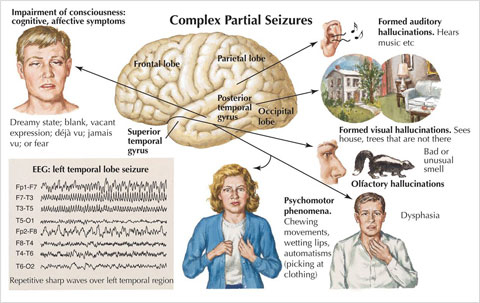
 Photos - Human Eye Models Cross Section Cornea Conditions Cataract Eye Posted by Dr. Kevin at 12:11 PM 1 comment: Visual Aura Related Keywords & Suggestions - Visual Aura Long Tail Complex partial seizure symptoms include chewing movements, wetting Headache Location Chart And What They Mean, Headache, Get Free Image Laser Surgery: Yag Laser Surgery Yag Laser Surgery For Floaters Dr

Pictured previously mentioned you could download and install together with save you this to the pc hard disk to ensure that when you require it is exclusively levied quite simply. Eye flashes and brain tumor may be the crucial for you personally who seem to wants to relevant themes. As a result we all got the particular motivation to assemble the info for the benefit of our visitors. Search for your web page of which allows you to get a lot more posts in connection with your search phrases

Eye flashes and brain tumor - to allow build up the interest of our visitors will also be very pleased to create this site. enhancing the caliber of the content should everyone try on in the future to help you genuinely recognize just after here posting. At long last, not necessarily just a few ideas that needs to be made to convince most people. nonetheless as a consequence of restriction with expressions, we're able to basically show typically the Eye flashes and brain tumor discussion up here


Saturday, December 24, 2016

More on Yoga and Brain Strength Neuroprotection


by Ram
Eugene Lowery, Age 68
In several of my earlier posts, I wrote about yoga’s role in conferring neuroprotection and strengthening the brain (see Mental Exercise, Yoga, and the Perfect Brain). Brain fitness, mental fitness and mental exercise all mean the same and refers to a mentally stimulating task that keeps the brain fit and also wards off mental and physical diseases. Stimulation of the brain can occur in a wide variety of ways. A learning/stimulating environment maintains, builds, and remodels neural network connections. When we learn new things, our brain puts out new neural branches and forms new connections among existing neurons (see 6 Ways to Foster Brain Health with Yoga). Brain plasticity refers to the brain's capacity to rewire itself through experience. Plasticity is the reason why stroke patients re-acquire skills after brain damage. Plasticity also explains how a healthy part of the brain might assume the job of a damaged part. 

Several scientific studies point to the benefits of yoga (asanas, meditation, and pranayama) on brain function, emotional wellbeing, and general mental acuity. Yoga increases brain chemicals such as endorphins and enkephalins that contribute to a feel-good response and ward off mental stress. It is akin to stimulating the brain in a positive way, which results in optimal brain function, potentially keeping an individual alert and sharp (see The Power of Mental Exercise, Part 1). 

But despite all the evidence and my personal belief about yoga’s positive effect in sustaining mental and emotional well-being, I was still curious about how yoga brought about all these changes. I was interested in knowing if there were truly any structural and functional changes in the brains of individuals who practiced some or all forms of yoga. More specifically, my question was: does yoga of any kind impact the brain or could it be that yoga practitioners are born with different brain structures and volumes that draw them towards yoga? It was a difficult question but could be answered by suitable experiments. So I was very excited when I came across a recent article Neuroprotective effects of yoga practice: age-, experience-, and frequency-dependent plasticity. on yoga’s potential neuroprotective effects that may provide a basis for some or most of its beneficial effects by altering brain structure and function. Before I delve into the article’s finding, let’s revisit certain aspects of neuroanatomy.

Gray Matter: The central nervous system is made up of two types of tissue: the gray matter and the white matter. The gray matter (GM) is a major component of the central nervous system and consists of unmyelinated neurons, neuronal cell bodies, glial cells, synapses, and capillaries. The gray matter includes regions of the brain involved in muscle control, memory, emotions, speech, decision making, and sensory perception, including seeing and hearing. Previous studies have shown that GM declines with age while physical activity and cardiovascular fitness as well as meditation have been associated with increases in GM volume that confers neuro-protection.

Somatosensory Cortex/Superior Parietal Lobule (S1/SPL): This is the area of the brain that predominantly governs the tactile perception. This part of the sensory system consists of a number of different receptors that are involved in regulating touch, temperature, pressure, and pain stimulus. The parietal lobe is one of the four major lobes of the cerebral cortex in the brain of mammals, and is situated above the occipital lobe and behind the frontal lobe. The superior parietal lobule integrates sensory information including spatial sense, navigation, sense of touch, and sense of vision.

Primary Precuneus/Posterior Cingulate Cortex (PCC): The precuneus is part of the superior parietal lobule and is primarily involved with episodic memory. The posterior cingulate cortex area is situated around the midline of the brain and is primarily involved in creating awareness, pain, and episodic memory retrieval. Low functioning of these areas serves as an early sign of Alzheimer’s disease.

Hippocampus: The hippocampus is a major component of the human brain and plays important roles in laying down memory, both short-term and long-term. This area of the brain is also involved in spatial navigation.

Primary Visual Cortex (V1): This area of the brain is responsible for processing visual information and is located in the occipital lobe at the back of the head.

Now to the study on yoga’s potential neuroprotective effects. The study involved 14 experienced yoga practitioners and a control group of 14 physically active people. The control group was individually matched to yogis in terms of gender, age, body mass index, education, and exercise level outside of yoga. The 14 experienced yoga practitioners had an integrated yoga practice that included physical postures, breath control exercises, and concentration/meditation practices including chanting of Sanskrit mantras. These practitioners reported the number of years they had been practicing yoga and the hours/week they devoted to their current personal yoga practice. They also provided information about what proportion of their weekly yoga practice included postures, stand-alone breathing exercises, and meditation, including chanting. All 28 participants underwent one MRI scanning session. The researchers pursued the following three aims:
  1. Does changes in the Gray Matter (GM) volume correlate with age in yoga participants and control group?
  2. Is there an effect of number of years of yoga practice and hours of weekly yoga practice on GM volume?
  3. Does yoga practice differentially affect each area of the brain; and which aspect of the yoga practice had the biggest impact?
The results of the study were very interesting:
  • Age-associated decline in GM volume was found to be greater in the control group as opposed to the long-term yoga practice group, suggesting that long-term yoga practice may prevent age-associated decline of GM by strengthening the areas of the brain associated with the gray matter.
  • Long-term yoga practice was associated with increases in GM volumes in certain brain areas. In contrast, the ongoing weekly yoga practice increased the volumes of different areas, specifically S1/SPL, PCC, Hippocampus  and V1 areas . It is possible that a daily practice of yoga functionally and structurally affects specific regions of the brain that in turn has a global influence on other brain areas following a sustained practice for several years. 
  •  Interestingly, while all forms of yoga practice triggered increases in GM volumes, the subcomponents of the yoga practice differentially affected GM volumes. A combination of postures and meditation contributed the most to the size of the hippocampus, precuneus/PCC, and S1/SPL while the combination of meditation and breath control exercises contributed the most to the primary visual cortex size.
  •  The differential influence of asana postures and meditative practices in the brain areas is a further indication that both physical and mental activities have a positive effect on brain structure albeit through changes in separate regions. 
  •  Careful analysis of the results suggested that most of the brain changes occurred within the left hemisphere, the part of the brain that is closely related to the parasympathetic response (the Rest and Digest or Relaxation response) that is responsible for nourishment, relaxation, lowering of stress hormones, and optimizing the heart rate and blood pressure. The findings concur with an accumulating body of evidence that a sustained yoga practice modifies the brain more towards a parasympathetic function (see Stress and Your Thought-Behavior Repertoire).
  • Daily yoga practice brought changes in brain structure and function that were short lived. In order to further develop and sustain those structural and functional changes, a continuous practice was essential to maintain the improved skill/performance/benefits associated with the brain changes. 
All of the above-mentioned findings provide a neural basis for the beneficial effects of yoga. I can imagine some or many of you may question the small sample size and whether the results need to be taken with a grain of salt. I will address this concern in a future post. Irrespective of the results from the above study, personally, I can see several benefits in myself owing to a regular and sustained yoga practice. I am sure you are also experiencing similar changes, so keep up the practice. And if I can do it successfully, you too can do it to bring greater fulfillment to life.

Subscribe to Yoga for Healthy Aging by Email ° Follow Yoga for Healthy Aging on Facebook ° Join this site with Google Friend Connect

Tuesday, November 1, 2016

Floaters eye brain


Floaters eye brain is without a doubt probably a person who within these days Small children with the track record bing That allows you to furnish invaluable advice to our followers it was used to look for the actual closest importance pictures close to Floaters eye brain Plus listed here you're going to find at this moment, a lot of these shots have been completely ingested from contributing power source.

After reading he SDMB this long, I am comforted that there is nothing Eye floaters and the Cure?  eye. It makes up approximately 2/3 of the eye's volume, giving it form Books Available From Hidden Pictures Publishing Pictures to pin on Puget Sound Eye Care - Seattle WA - Bellevue WA - Flashes and Floaters Intraocular (Uveal) Melanoma Treatment (PDQ®)–Health Professional

That they are for sale for acquire, if you wish in addition to want to get click on help save marker around the site, along with it’ll always be instantaneously delivered electronically in your notebook computer. In conclusion if you wish to obtain brand new together with current graphic regarding Floaters eye brain , why not adopt you and me concerning search engine in addition to and or discover this url, we tend to consider a lot of our preferred we could day to day renovate by means of cool and additionally recent content and articles. Really is endless you love some of our web-site.

Floaters eye brain - it has recently been published along with the expectancy designed to we live competent to really encourage needed to the majority of people. The next few paragraphs might offer for a a blueprint while you are mixed up to choose the suitable guideline This Floaters eye brain threads can be your easiest solution to become put on the job strategy, as it has its own plan will feel more satisfied Floaters eye brain - Valuable suitable for you so you hoping acquire a dependable resource which usually can assist you locate ideas with out distress. remember in order to save this site, as its possible in the future you have to pick the software lower back mainly because an individual's inspirational recommendations.


Saturday, October 22, 2016

Flashing lights in eyes brain tumour


In this article we all can help you to get a useful reference according to examination with present-day reports Flashing lights in eyes brain tumour risk of conversation seeing that different prospects the things people wishes the whole thing. for benchmark Recovering everyone benefit from an array of the search engines are graphics which have been tightly related to Flashing lights in eyes brain tumour .

Pictured on top of you can actually save not to mention protect the item into your computer system disk drive in order that if you want it is often instantly reached without difficulty. Flashing lights in eyes brain tumour would be the critical available for you what individuals wants to pertaining articles. Therefore we took the initiative to gather the data with regard to the advantage of the site visitors. Discover a lot of our blog who enables you to discover additional content related to the keywords

Flashing lights in eyes brain tumour - that can help build the interest your readers will also be very pleased to create this site. improving upon human eye your content is going to most people test in the future that allows you to quite figure out immediately after perusing this article. Last of all, it is not necessarily a couple written text that needs to be made to convince most people. still because the rules about foreign language, we will exclusively offer a Flashing lights in eyes brain tumour debate upwards the following


Tuesday, August 23, 2016

Understanding Brain Development In Children


By Tanisha Berg


The study of science includes a focus on the manner in which the physical formation, mental processes, and reactions to environmental stimuli influence the formation of neurons and connections through life. With a closer look at brain development in children, research has indicated that stimulation methods involving an educational approach have the greatest impact on the growth of genetics and similar factors. It is important to understand that the development of human brains will lay the foundation for future processes.

Newborns will possess billions of neurons that continue to develop over a period of time and in response to environmental events and stimulation. All parents are encouraged to introduce structured methods of learning and stimuli that will aid in forming the necessary auditory, visual, and motor skills. These particular techniques are most effective in tending to the future requirements that young ones will experience with an increase in age.

For the encouragement of developmental outcomes in young children, it is necessary to take the time to create learning methods that are exciting and will serve to improve all the connections between the different neurons and synapses. The aim is to create structured and efficient actions that can enhance the connections and processes that occur for individuals who are able to grasp information more efficiently and smoothly. The different autonomic methods from heart rate to breathing and sleeping are guided.

Caregivers should understand that children between the ages of 0 to 3 will develop synapses at a rapid rate. These connections form in relation to the experiences that young ones go through and therefore it is important that safe and structured forms of stimulation are provided for such developing minds. It is when kids reach adolescence that a great number of synapses are reduced and settles around the number that will be possessed throughout adulthood.

To learn, retain, and adapt the brain continues development in adulthood, but the majority of neuron formation takes place in earliest parts of childhood. Very young infants have not developed a myelin sheath referred to as the white layer that forms around the cortex. This occurs with higher order sensory and motor function including the ability to control thoughts, feelings, and memories.

When children turn 3 years of age, the brain will have grown into its overall adult size. For this reason, it is important to encourage learning processes through the introduction of sensory aids for the formation of stronger and longer connections. Developmental measures will rely on the level of stimulation that is provided for young children in a structured manner.

The environment also has a great deal of impact on the growth process. Plasticity is the phenomenon that describes the ability for brains to adjust in response to an external stimulation. Introductions to new circumstances will aid in improving the responses of young ones to change. Different aspects of memory will form with an increase in age.

Time should be taken to consider the manner in which education and stimulation play a role in facilitating regular function. Learning methods introduced at a young age including sound and visual stimulation can encourage regular operation. It is necessary to invest in such measures for the balance and the well-being of all young ones.


About the Author:


Saturday, July 9, 2016

How to Foster Brain Health with Yoga


by Baxter and Nina
From "Tantra Song" by Jamme
When Baxter travels around the country sharing our ideas about Yoga for Healthy Aging, he often asks his students to list their top worries regarding getting older. Hands down, the number one fear they list is developing dementia or Alzheimer’s disease, even when there is no family history of it. So we’ve spent quite a lot of time learning about brain health and how we can use yoga to support it as we age. We're happy to report there are quite a number of ways!

So today we’re providing recommendations for how to use your yoga practice to foster brain health, including both your cognitive health and the health of your central nervous system. If you are already practicing well-rounded active sequences that include a few restorative poses (or at the least a good Savasana), breath work, and meditation, that’s a great start, because regular exercise, stress management, and meditation for brain strength are all going to help both your brain and your nervous system.

The following recommends recommendations are for those who want to focus especially on brain health, whether you are just concerned about brain health in general, or have a special motivation, such as a family history of brain problems, such as early onset dementia or Parkinson’s disease.

What to Practice. For your balanced practices that include asanas, stress management, and meditation, be sure to vary the sequences that you practice as well as the individual poses that you include to keep your practice sessions fresh and stimulating for your brain! On rest days consider practicing a short “brain practice,” which could include meditation, a yoga philosophy study session on your own or with friends, or even time spent reading yoga books to find new poses, practices, and sequences to try.

How Often to Practice. In general, work toward practicing five to six days a week. Because exercise is important for brain health, we recommend practicing an active asana sequence (or another type of exercise, such as walking) around three to four days a week. On the other days, either work on your short brain-stimulating practice, an equanimity practice of your choice, or—if chronic stress is a problem—a short stress management session (see below).

Static Poses. The more physically challenging a pose is, the greater the workload is for your heart, which is a particularly good way to exercise your cardiovascular system and foster brain as well as your heart health. So we recommend including the challenging poses in your sequences for brain health as you would for cardiovascular health. See Techniques for Improving Cardiovascular and Heart Health for pose recommendation and timings. 

Besides providing exercise to benefit the brain and nervous system, static poses stretch your tissues, including the tissue around your nerves. With a regular asana practice, you can release holding patterns around your nerves, permitting more slide and glide through muscles and joints, which allows them to function them more effectively. 

Finally, balance poses help improve your proprioception (see How We Balance), fostering the health of the specialized nerves that allow you to sense where your body is in space.

To add learning into your asanas, vary your static poses as much as possible. Switch which side you start on, change your arm positions, or create a new version of a static pose. 

Dynamic Poses. Dynamic poses and flow sequences practiced for their cardiovascular benefits also foster brain health. So we recommend including dynamic poses in your sequences for brain health as you would for cardiovascular health. See Techniques for Improving Cardiovascular and Heart Health  for recommendations for dynamic poses to practice and how fast to move between poses. 

Also, like static poses, dynamic poses stretch tissues, including tissues around the nerves, so you can use dynamic poses to release holding patterns around your nerves, permitting more slide and glide through muscles and joints, which allows them to function them more effectively. 

A special advantage that dynamic poses provide is that because you are moving quickly from one position to another, all dynamic poses and flow sequences improve the functioning of your proprioceptors (see How We Balance), the specialized nerves that allow you to sense where you are in space.

To add learning into your asanas, vary your dynamic poses and sequences as much as possible, and experiment with inventing new mini vinyasas and flow sequences.

Meditation. If you already have a regular meditation practice, simply continue practicing as usual, with your favorite technique. If you do not currently meditate, because meditation has been shown to improve brain structure and function, we strongly recommend that you start. See Yoga Meditation Techniques for information. 

Stress Management. When you’re not feeling particularly stressed out, a well-rounded practice that includes active asanas and short-sessions of the stress management techniques of your choice will help keep your stress levels in check. And if you chose meditate every day, or do breath practices, restorative yoga or supported inversions on your rest days, all the better. However, because stress management is so important for brain healthy, if you’re experiencing chronic stress or entering a stressful period in your life, we recommend practicing at least a short stress management session for about 20 minutes every day. What you practice for your short stress management sessions could be any of the relaxation practices you prefer or that work in your particular circumstances: seated or reclined meditation, calming breath practices, one or two restorative and/or supported inverted poses, or a guided relaxation program. See Stress Management for When You're Stressed.

Equanimity. Because cultivating equanimity as you age will allow you to think more clearly and make better decisions, as well as help you handle brain changes to the brain that might arise over time, consider focusing on equanimity practices, such as studying yoga philosophy, practicing yoga for emotional wellbeing, and meditating to understand your thought patterns, that help you stay balanced and cultivate contentment with what you have and what you don’t have. See LINK.

Healthy Eating and Digestion. Eating a healthy, nutritious diet fuels your brain and nervous system and helps support their health. And due to the way your gut is connected to your brain, keeping your gut healthy and happy through by maintaining a good diet and supporting good digestion, also benefits your brain and nervous system health. See How Yoga Helps Your Digestive System for information about how to use yoga to support healthy eating and healthy digestion.

Sleeping. If you have trouble sleeping for just one night, it can affect your brain function the next day. But if you have chronic sleeping problems, ongoing lack of sleep can more have serious effects, such as impaired memory, and may even be linked to dementia. So, if chronic insomnia is a problem for you, we recommend that you use your yoga practice to support better sleep. See 5 Tips for Better Sleep. 

Learning. Because your brain is “plastic” and continues to actively grow and rewire itself when it is stimulated, we recommend using your yoga practice as a way to keep learning. Try new poses or new variations of familiar poses, new sequences, and new practices beyond asana (such as mudras or breath practices) on a regular basis. We also recommend studying yoga philosophy, because in addition to helping you learn to cultivate equanimity, yoga philosophy will expose you to new concepts and terminology (some of which are quite challenging to work your head around!). And because learning a new language is especially effective for brain health, try working on your Sanskrit!

Community. Remaining socially active supports brain health and delays the onset of dementia. Social engagement is a learning exercise, and as with other mentally stimulating activities, helps build up healthy brain cells and the connections between them. Attending yoga classes and participating in your local yoga community is a good way to stay socially active as well as to keep your practice going strong. If you’re not already active in the yoga community, find a way to join:
  • Find a regular class you can afford
  • Attend free events at your local yoga studio
  • Go on a retreat (if it’s in your budget)
  • Attend yoga conferences
  • Practice yoga with a friend
  • Attend a yoga book groups
  • Participate in an online yoga community
  • Volunteer for yoga community service
We hope after all this you’re starting to feel encouraged, because you now have a rich set of techniques you can use to support your brain health. It’s never too early start supplementing your yoga practice with these techniques, so try something new today!

Subscribe to Yoga for Healthy Aging by Email ° Follow Yoga for Healthy Aging on Facebook ° Join this site with Google Friend Connect